Electric Power Exports in Central America: A Model of Clean Energy Success Story
Table of Contents
Contact the Central American Group to explore the foreign investment options in El Salvador and Costa Rica.
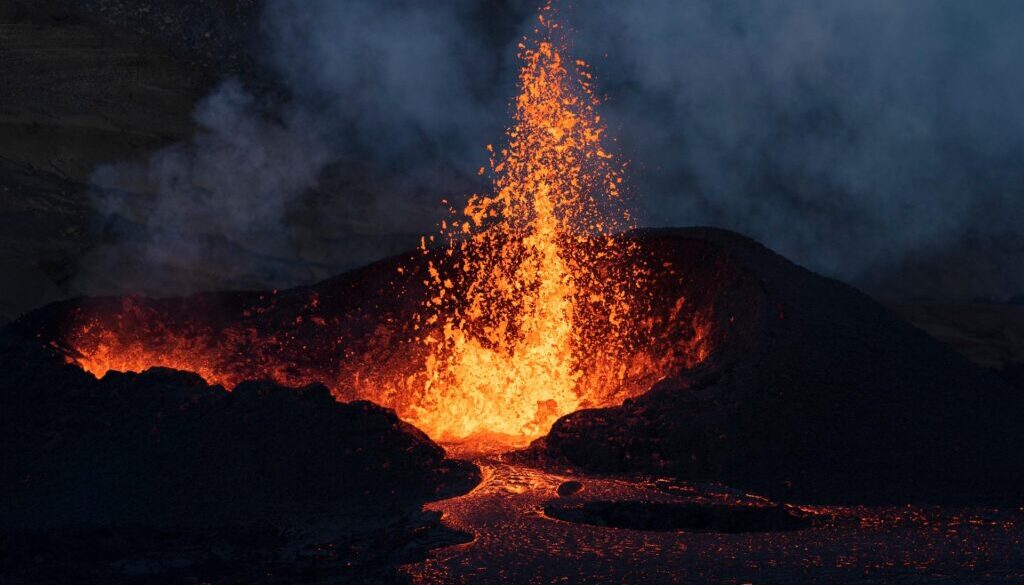
A key to El Salvador’s successful energy industry lies within volcanic steam technology. With the implementation of exporting excess steam electricity to Central American countries, El Salvador has become known for having cheaper and lower-emission electric energy rates.
Electricity Exports in Numbers
In 2025, El Salvador exported $26.5 million worth of electricity, making it the leading country in regional electricity exports. “The amount comes primarily from geothermal steam produced by El Salvador’s 19 active volcanoes,” elsalvadorinenglish.com reported. Banco Central de Reserva (BCR) detailed that this was part of a new trend in transforming El Salvador’s economy by including clean technology goods and diversifying its export profile.
The Salvadoran government expects electricity exports to expand with new steam sites and upgrades to existing facilities. The improvement in the electricity sector has enabled new trading partnerships, jobs in specialized energy fields, and investment opportunities in El Salvador. A business consultant for regional countries mentioned, “Electric power exports in Central America come with the benefit of El Salvador being able to turn its volcanoes into a commodity that can be sold.”
Electric Power Exports in Central America Increase
Electric Power Exports Across Countries
The leading source of electricity generation in El Salvador is through steam produced by volcanoes. “Geothermal sources, or energy harvested from within the Earth, dominate El Salvador’s national energy industry,” reported elsalvadorinenglish.com. El Salvador is ranked among the top countries with geothermal resources throughout the hemisphere. To supply the needs of Salvadorans, there are a variety of geothermal sites that have been developed over time. Once the demand within the country has been met, the excess energy is then used to supply electric power exports in Central America.
In terms of overall electricity exportations, El Salvador exported the highest percentage to Guatemala in 2025. Out of the total of $26.5 million, $21.2 million went to Guatemala which comes out to roughly 79.6% of total electric power exports. The Salvadoran government expects this number to decrease as new trade opportunities with neighboring countries emerge. The next highest electric power export was to Honduras and Nicaragua, coming in at $5.1 million. Costa Rica and Panama only received $0.1 million worth of electric exports. In Nicaragua and Honduras, there was minimal electric energy exchange.
According to the most recent data, there are over 60 companies involved in the trading process of El Salvador’s electricity. “The increase in companies allows for more transparency between the authorized traders of Salvadoran electricity,” one source explained. Electric power exports in Central America benefit El Salvador by allowing it to diversify trading partners and giving other countries the ability to trade with multiple vendors.
Economic Effects of Geothermal Electric Steam
Electric power exports in Central America come from the heavy development of geothermal electric steam technology. Steam fields, like Berlin and Ahuachapán, drill into the Earth’s hot reservoirs. When rain falls through these wells, the water enters the hot reservoirs and produces steam. The steam builds up pressure and is then used to generate power by running turbines.
Geothermal steam gives El Salvador an advantage over other countries:
- Reduces Costs to local consumers
- Improves National Energy Security
- Provides excess energy to sell to other countries
Geothermal steam technology is able to provide electricity to homes nonstop, also known as baseload. Because this technology can provide 24/7 support, countries that trade with El Salvador know that they will receive a constant supply of energy. If there were an issue with the geothermal power plants not producing enough electricity, those countries would have to turn to other options, such as solar or wind. These energies are known as intermittent energies.
“One advantage of geothermal energy is that after the plant is built, it can produce electricity at one of the lowest costs out there,” an energy analyst stated.
Electricity Exports and Regional Impact
Regional trade of electricity runs through a network called “SIEPAC,” which stands for Sistema de Interconexión Eléctrica de los Países de América Central. The translation of this organization is the “Central American Electrical Interconnection System.” The benefits of this program allow six Central American countries to trade electricity with one another.
All energy that is traded through SIEPAC is taxed and monitored by the government agencies of each country. Electricity can be measured in units called megawatt-hours or simply MW/h. This system allows the countries to track the electricity flowing through the grid. Each country imports and exports certain amounts of electricity, so when it is purchased through SIEPAC, they are able to allocate that energy to the specific country it was meant for.
The energy that is imported and exported through SIEPAC helps these countries meet their electricity needs. Some countries have excess energy at certain times of the year and not enough at others. By trading with neighboring countries, they are able to support each other during those peak times. Allowing electric power exports in Central America has created a successful business model that benefits all countries.
Bitcoin Mining Explodes in Latin America: Governments Step In with Regulations
Improving the Quality of Life for Citizens
Because of President Nayib Bukele’s interest in cryptocurrency like Bitcoin, there have been many creative ways the country can use the excess steam. Mining for cryptocurrency requires a lot of electricity, and Bukele found a solution to use the excess electricity to mine for Bitcoin to create a new source of income for the government.
Plans to invest in newer geothermal sites have been proposed in Chinameca, Gotera, and San Vicente. China has agreed to fund the development of new geothermal plants in Chinameca as part of a $130 million deal to build up Salvadoran infrastructure. The World Bank has also partnered with El Salvador to develop geothermal plants in San Vicente in order to double the country’s installed capacity.
The benefits of electric power exports in Central America and geothermal energy development have allowed for:
- Higher job specialization in engineering
- Investment from foreign investors
- Increases in technology
- Economic strengthening
- Cleaner environment
Investing in geothermal energy allows El Salvador to regulate the prices of electricity for the consumer. Because they are not overly reliant on other sources of energy like oil and natural gas, electric prices don’t spike during peak times. Mining for Bitcoin allows the country to find new ways of bringing income to the state. As more businesses enter crypto mining, the more opportunities the government has to tax them.
Contact Us
Please use this form to contact us and we will respond as soon as possible: